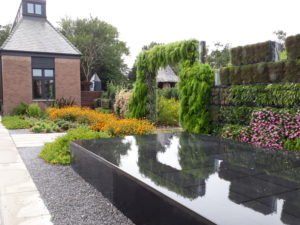
A new iCASP partnership is forming to dissolve the barriers which prevent investment in natural landscaping in urban areas. Natural landscape features such as ponds, rows of trees, roofs or walls planted with greenery are just a few common examples of what is described as Green Blue Infrastructure (GBI).
In spite of its benefits, which include natural cooling, improving air quality, providing wildlife habitats and making urban areas more attractive, planners struggle to make a persuasive business case for GBI investment.
Now a strong multi-disciplinary team in partnership with stakeholders in Leeds City region and West Yorkshire are determined to lead the way in improving cost-benefit analysis and valuation of Green Blue Infrastructure. They want to bring HM Treasury on board too!
 The UKCP18 Regional User Forum will use the release of the updated UK Climate Projections 18 as an opportunity to bring together different sectors of the regional economy to ensure that the latest knowledge is embedded in catchment management decisions. The afternoon event in Leeds on March 8th 2019 will be designed for organisations who need to use UK climate projections for resilience planning and long-term business strategies.
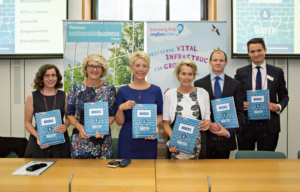 A new report, Bricks and Water, which iCASP helped to inform, has been published by the