
“Natural Flood Management in action – the Brownlee Centre pool demonstrates how landscape features can slow and store water, protecting communities while enhancing biodiversity.”

Project Overview
iCASP was awarded funding from the University of Leeds through the Research England Policy Support Fund for a project which identifies key challenges and policy barriers faced by practitioners and voluntary groups when implementing Nature Based Solutions (NBS) throughout the country.
The project aimed to produce a report with a series of recommendations on how to improve policy to support more widespread use of NBS based on sound evidence.
To inform the report, we carried out the following:
- Survey of NBS practitioners to understand the main challenges to implementing NBS, which could be addressed or improved by policy support at an organisational, local, national or international level
- Literature review of evidence of impacts from NBS activities
- Three stakeholder workshops
- Review of the draft report with recommendations by an expert panel.
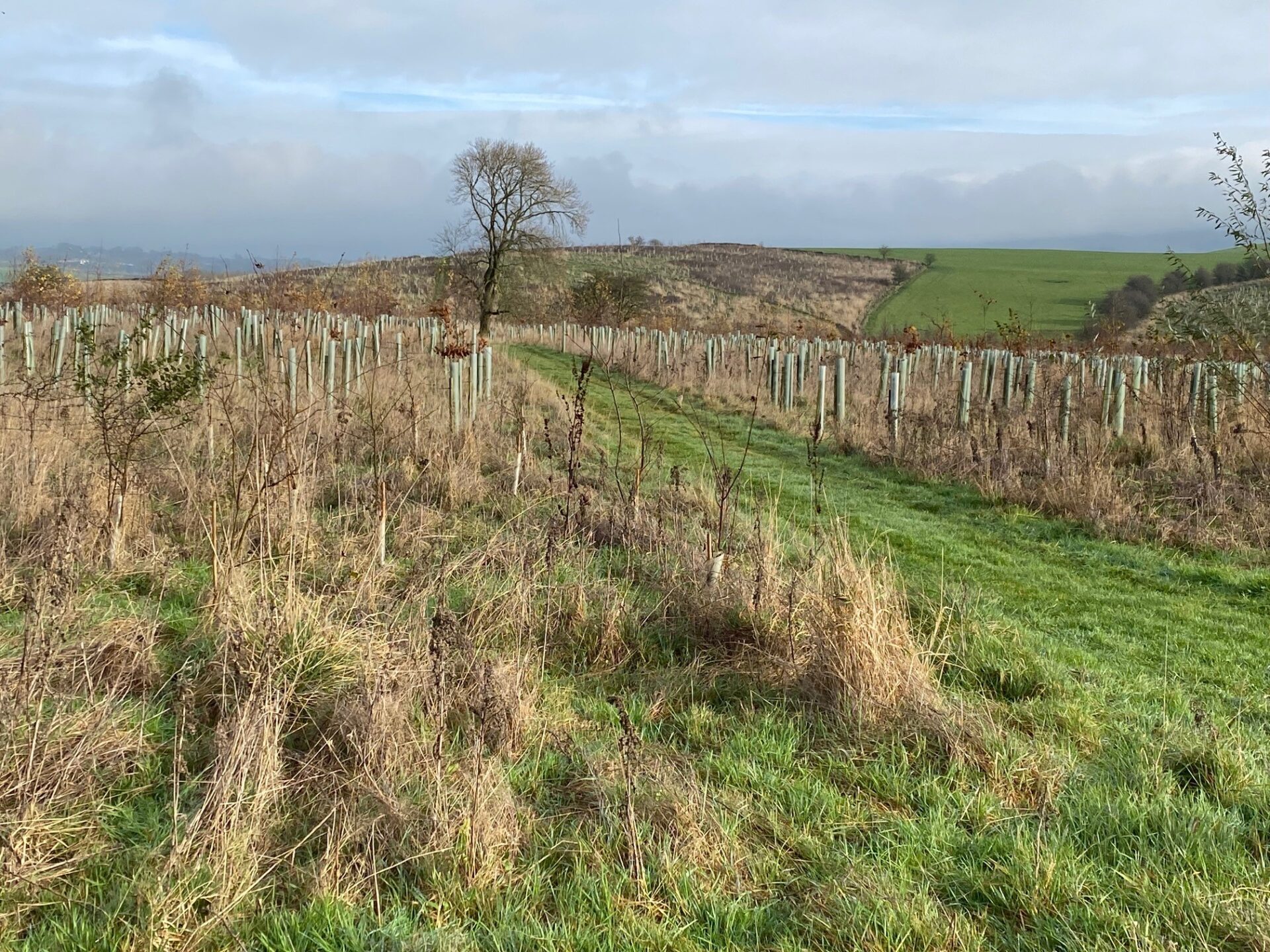
“Restoring ecosystems through Nature Based Solutions – harnessing the power of trees to reduce flood risk, boost biodiversity, and build climate resilience.”
The project has identified many successful examples of NBS in England, supported by stakeholders. However the report’s recommendations are that the Government needs to address policy issues in four key areas which are: Funding, Evidence, Planning Processes and Governance.
Key Recommendations
- Strengthen government funding to enable projects and provide a platform for private sector funding, for example, through green finance
- Integrate government funding sources to enable the combining of multiple benefits stacking (for example, Natural Flood Management (NFM), biodiversity and carbon storage)
- Simplify, strengthen and secure existing government funding mechanisms
- Ensure the Green Book review recommendations are implemented.
- Independent organisations should be funded to develop a strong NBS evidence base. For example, climate resilience, carbon storage, biodiversity and sustainable cities / urban NBS. This must include social, health and wellbeing and community impacts.
- A national planning policy statement for NBS is recommended as a way forward
- Streamline planning frameworks for NBS interventions
- Local NBS partnerships should be funded, facilitated and staffed to plan and co-design projects, develop evidence, ensure community participation and bring together both rural and urban NBS activities
- Promote co-design and community empowerment
Reports Download
There were four stages to the Unlocking Policy Support for Nature-Based Solutions Project. You can read the findings in these reports.
Project Team
The project team were:
- Dr Sam Ramsden – iCASP Impact Translation Fellow
- Prof Joe Holden – iCASP Director
- Dr Megan Klaar – Associate Professor
- Finn Barlow-Duncan – iCASP Coordinator